Imagine stepping out your front door to grab a latte, strolling past historic brick storefronts, and ending your day on a patio with live music and a locally brewed pint. If living near Fort Collins’ Old Town has been on your mind, you probably want to know what daily life really looks like, beyond the postcards and weekend visits. You’ll find a lively, walkable neighborhood with year-round events, a strong bike culture, and a blend of historic homes and modern infill. This guide breaks down the vibe, housing options, walkability, transit, schools, and tradeoffs so you can decide if Old Town living fits your lifestyle. Let’s dive in.
Old Town vibe in a snapshot
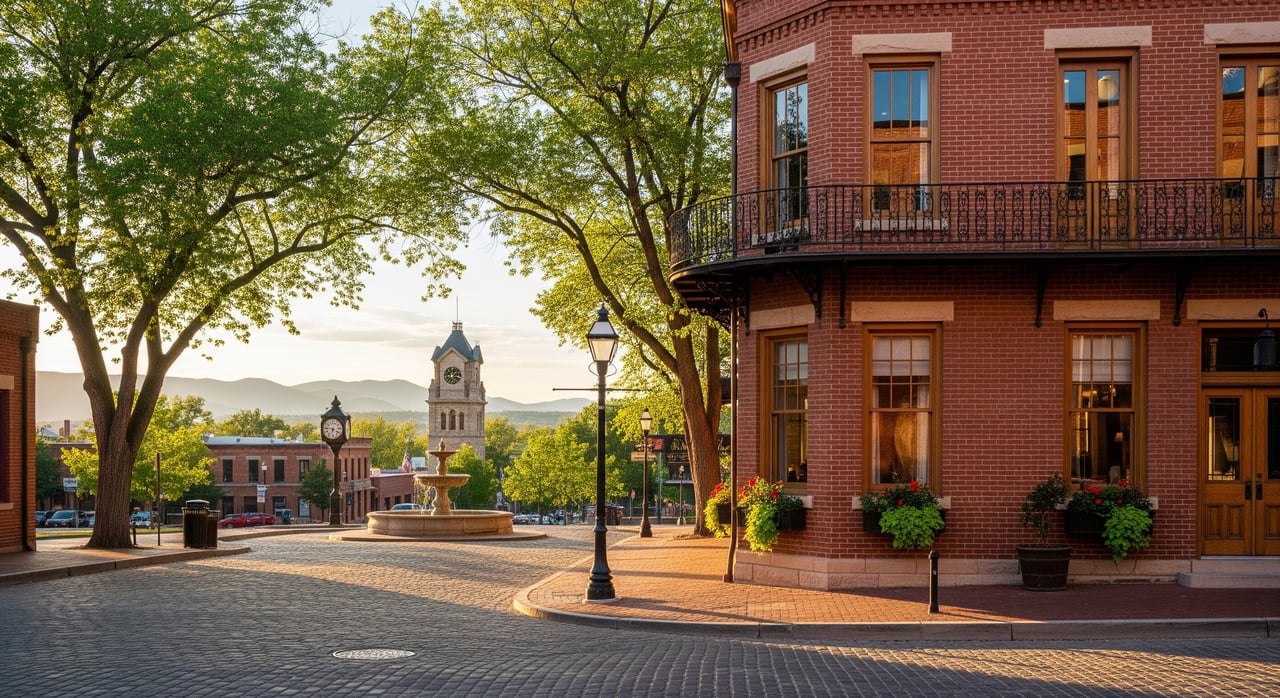
Old Town is the historic heart of Fort Collins, centered on College Avenue and Old Town Square. You get a small-city downtown feel with a steady rhythm of daytime foot traffic, evening dining, and seasonal events. The presence of Colorado State University nearby adds energy and influences everything from rental demand to the cadence of the year.
You’ll notice a genuine mix of locals, students, and visitors. Weekdays feel productive and convenient. Weekends bring more buzz in the plazas and along the main streets. If you enjoy being where the action is, you’ll love the people-watching, street musicians, and pop-up activities.
Everyday errands and conveniences
Daily life runs smoothly here, especially if you prefer short trips. Independent shops, fitness studios, salons, and small grocery or specialty food options cluster near the core. You can often handle quick errands on foot.
For bigger weekly runs, several supermarkets, big-box retailers, and healthcare providers sit a short drive away on major corridors. You also have easy access to services like dry cleaning, pet care, and repair shops across the city.
Breweries, dining, and nightlife
Fort Collins is known regionally for craft beer, and Old Town is a central hub for taprooms, brewpubs, and restaurants. You’ll find everything from casual cafés to sit-down dining and gastropubs. Rotating beer lists, seasonal menus, and pop-up events keep things fresh.
If you like to explore, browse the current lineup of eateries and breweries on the Visit Fort Collins directories and event listings. It is the easiest way to see what is new and what is happening this week. You can start with the Visit Fort Collins restaurant guide and the citywide events calendar to plan your next outing.
- Explore restaurants and weekly happenings using the Visit Fort Collins listings: Visit Fort Collins restaurants and events calendar.
Parks, plazas, and the Poudre River
Public plazas anchor Old Town’s community life, from markets to music. A short walk or bike ride takes you to parks and the Poudre River corridor, where you can connect with the city’s trail system for running, biking, or peaceful nature time. Outdoor events are most frequent in summer and fall, when patios and green spaces really come alive.
If trails are part of your routine, keep the Poudre corridor and connecting greenways on your list to scout. To see how trails link to different neighborhoods, use the city’s overview of local routes: Fort Collins parks and trails.
Housing near Old Town: what you’ll see
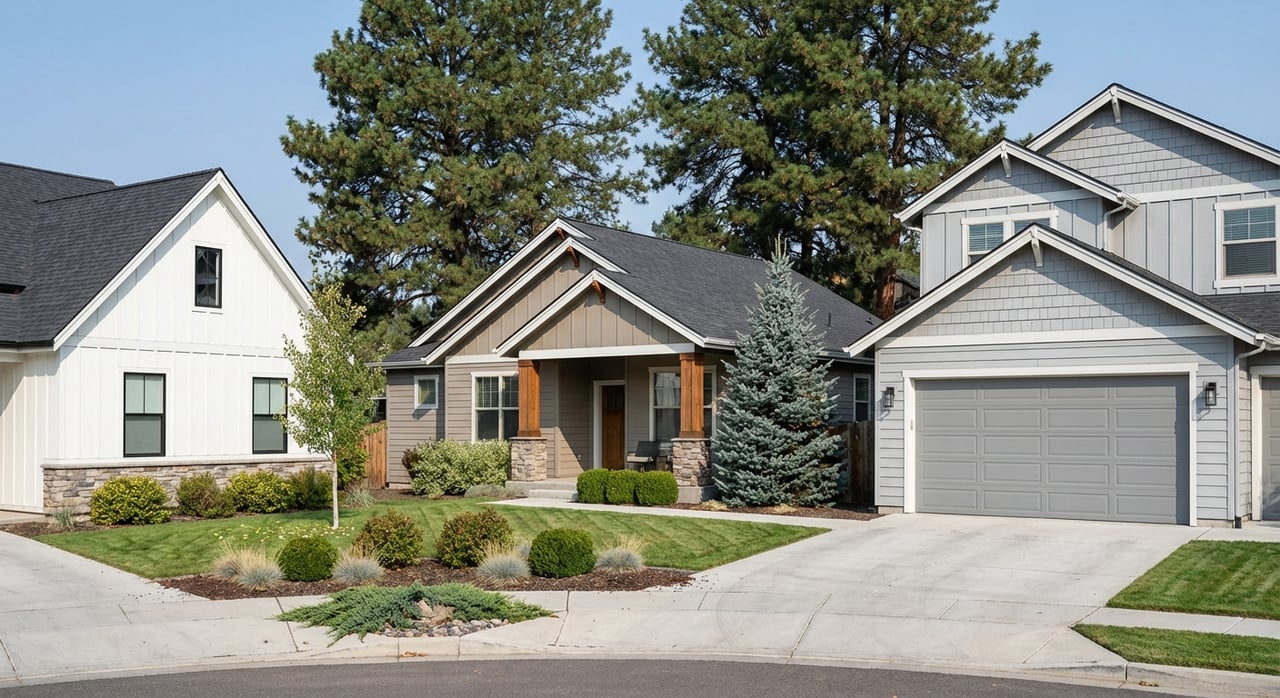
You’ll find a wide variety of housing styles within a short distance of the square:
- Historic single-family homes: Victorian-era, Queen Anne, and early 20th-century bungalows sit on tree-lined streets. Many are restored, with exterior updates often guided by historic standards.
- Lofts and apartments: Upper-floor units above retail and adapted older buildings offer a classic downtown feel with modern amenities.
- Infill townhomes and condos: Newer construction adds energy-efficient options with lower maintenance, often a few blocks from the core.
- Traditional single-family homes a bit farther out: Larger lots and more interior space appeal if you want room to spread out while staying close to downtown.
Parts of Old Town fall within a historic overlay. Exterior changes and additions can require approvals, which is important if you plan significant updates. Before you buy, review the city’s guidelines: Historic preservation in Fort Collins.
Ownership vs. renting
Downtown-adjacent neighborhoods mix owner-occupied homes with rentals. Proximity to CSU increases the rental share in some blocks, while other streets have more long-term owner-occupants. If your priority is a quiet block, it helps to visit at different times of day to see the rhythm firsthand.
Market context and expectations
Homes near Old Town often command a premium relative to the broader city because of walkability, amenities, and character. Inventory can move quickly, especially for renovated historic homes and well-located condos or townhomes. The right strategy is to watch new listings closely, get pre-approved, and be ready to act.
If you want a data-backed picture, pair your must-haves with a current pricing snapshot and recent comparables. A local expert can help you read days-on-market trends and plan for negotiations that protect your bottom line.
Getting around: walk, bike, bus, or car
Walking is one of Old Town’s biggest perks. Many errands, meals, and entertainment options are within a short stroll. If you bike, you will appreciate the city’s extensive lane and trail network, which connects neighborhoods to downtown and to regional corridors. Fort Collins has invested in infrastructure and a bike-forward culture, which makes everyday trips practical for many residents. Explore the network and safety resources here: Fort Collins bike program.
Buses are another option. Transfort serves Old Town and connects you to CSU and surrounding neighborhoods. Routes and frequencies change periodically, so check current schedules before you rely on specific connections: Transfort routes and schedules.
If you drive, expect a mix of metered street parking, public lots and garages, and residential permit zones. Peak evenings and event days fill up fast. Review your parking options if daily car use is important to you: Downtown Fort Collins parking.
For regional commuting, driving is most common. CSU is an easy bike or quick drive from downtown. Trips to the Denver metro area vary with traffic and time of day, so build in a buffer for peak times.
Noise, nightlife, and event energy
Old Town is active, especially on weekends and during festivals. Some blocks stay lively into the evening. Others are quieter, particularly a few streets removed from the main corridors. If you value quiet nights, scout the block at different times and ask about event schedules and nearby venues.
Seasonal changes matter too. Summer and fall bring more outdoor programming and patio scenes. Winter quiets down, though downtown still hums with indoor arts, dining, and CSU events.
Safety and peace of mind
As in many small-city downtowns, perceptions of safety vary by block and time of day. If safety is a top priority for you, review official information and compare your shortlisted addresses: Fort Collins Police Services.
Schools and the PSD context
Old Town is served by Poudre School District. School boundaries and programs can change over time, and options vary by school. Families should verify current zones, programs, and commuting distances before they decide. Start with PSD’s site and boundary information: Poudre School District.
Future development to watch
Downtown areas evolve. Infill housing, new mixed-use projects, and adaptive reuse are common near Old Town. Active proposals can influence traffic, parking, views, and property values. Keep an eye on the city’s planning and public notices to understand what is in the pipeline: City of Fort Collins planning.
A quick visit checklist
Use this list during showings and neighborhood walks to get a clear picture:
- Visit at different times: weekday morning, weeknight, and weekend to gauge noise, foot traffic, and parking.
- Walk or bike your likely routes to stores, parks, and favorite spots to test convenience.
- Check on-street parking and garage access for your specific address, including permit requirements.
- Confirm transit routes and frequencies if you plan to rely on the bus.
- Ask about historic overlay status and any approvals needed for exterior changes.
- Talk to nearby residents or shop owners about typical weekend activity and seasonal events.
How a local expert helps you
Buying near Old Town requires more than a quick tour. You want block-by-block insight, awareness of historic rules, and the right strategy for a fast-moving market. A local agent who studies neighborhood trends, previews listings, and understands renovation considerations can help you identify the right property and negotiate with confidence.
If you’re exploring Old Town living, you do not need to navigate it alone. From pricing strategy to permit questions, you can get a clear plan that fits your timeline and budget.
Ready to see homes near Old Town or compare neighborhoods across Fort Collins? Reach out to Tamera Nelson for local guidance and a smooth, negotiation-first approach.
FAQs
Is Old Town Fort Collins walkable and bike-friendly?
- Yes. Old Town is one of the most walkable parts of Fort Collins, and the city supports biking with lanes and multi-use trails. Winter weather can affect year-round riding.
Will living near Old Town be noisy on weekends?
- It depends on the block. Streets next to restaurants, bars, and event plazas stay livelier later, while nearby residential blocks can be quieter. Visit at night to compare.
What housing types are near the square?
- You will see historic single-family homes, lofts and apartments above retail, modern infill condos and townhomes, and traditional homes a bit farther out with larger lots.
How is parking for downtown residents?
- Expect metered street parking, public lots and garages, and some permit zones. Peak evenings and event days can be tight, so confirm options for your specific address.
Which schools serve Old Town neighborhoods?
- Old Town is in Poudre School District. Verify current boundaries and available programs directly with PSD, since they can change over time.
What is the commute like to CSU and to Denver?
- CSU is a short bike ride or drive from Old Town. Commuting to Denver is typically by car and varies with traffic and time of day, so plan extra time during peak hours.